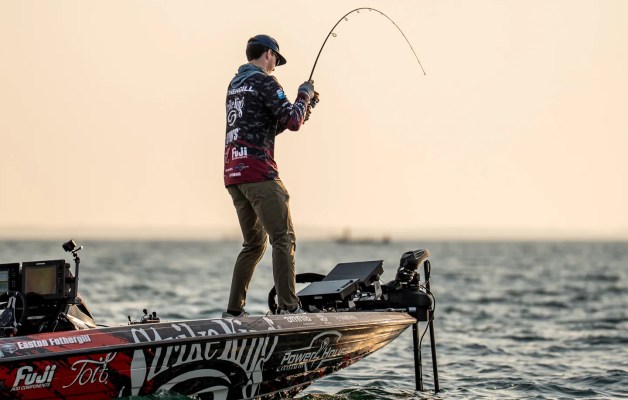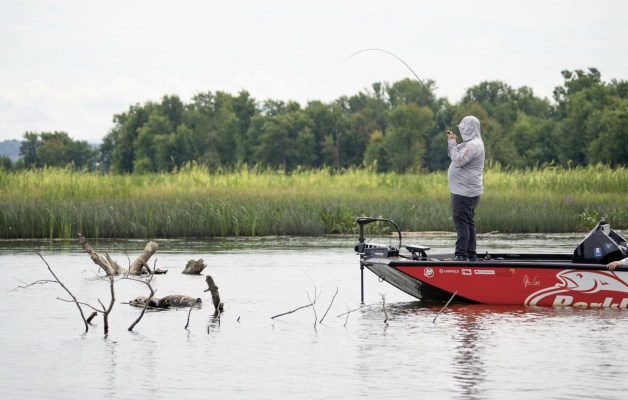
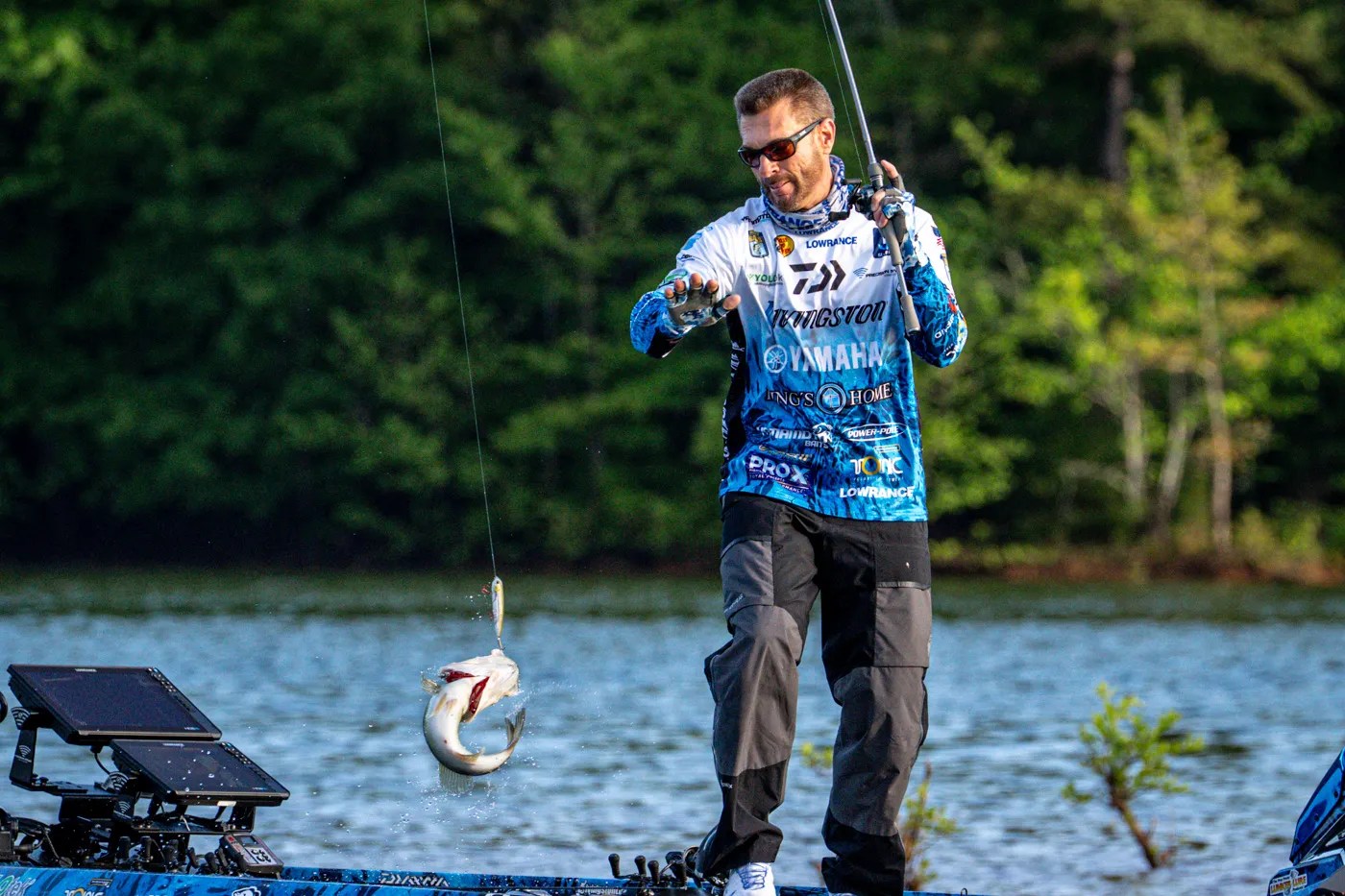
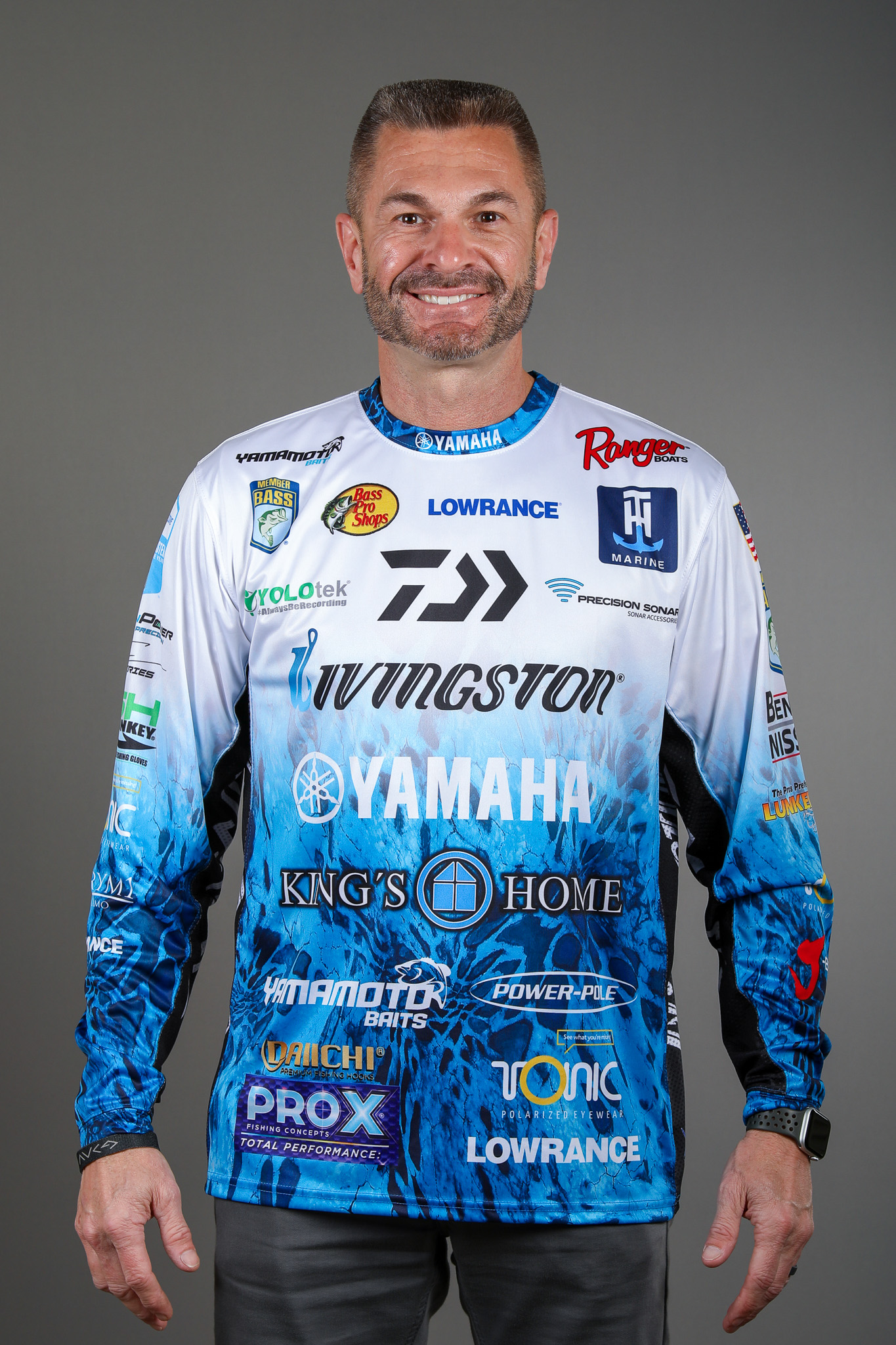
When I watched my son Laker win the Bassmaster Elite Qualifier event at Wheeler Lake last week, it was officially a fall tournament, but the weather still felt like summer. This is one of those years when the warm weather lingers into October, and the extended summer-like conditions definitely affect the fish.
It seems like on southern reservoir lakes and impoundments, you really have a hard time pinpointing the fish. They’re just not consistent from day to day, because they’re moving a lot.
They become nomadic and start roaming. A lot of them leave the bottom and start following baitfish. On my home waters of Lake Guntersville, all of the Tennessee River chain and all across the country, forward-facing sonar is showing us how many fish are out in the middle of the lake.
We always used to think it’s so tough in what I call “the hot fall” that you could barely catch five. But now we’re seeing a lot of those fish are behind your boat just swimming under balls of shad.
You’d see the shad swimming around out there when you’re running around in the afternoons and the mornings, and there’s bass all around them. We never knew how many were out there, because we couldn’t see them. Now we know, so you have to commit to learning to fish for those roamers with your forward-facing sonar, and you can turn a typically tough “hot fall” bite into a good time.
But if you go with traditional methods of chasing the baitfish up in the creeks, you can catch them in shallow water too. Sometimes, those are big fish, but it just takes more patience to find little pods of them ganged up around shad.
The drought we’ve been having definitely makes the hot fall scenario even tougher, because the less rain you have and the less current, the more the fish seem to roam. With the shallow fish sitting up there on stumps and brush, when the water starts getting skinny, that’s when those fish leave their comfortable areas and just swim out deep and get under the bait.
Also, when you have drought conditions and the water gets really low while it’s still hot, the shad that were swimming around on the shallow flats start moving out. The bass follow them and that’s why we would lose track of them so much over the years — we never knew they were out there.
If you saw them breaking on the surface, you might be able to catch them schooling. But if they didn’t show themselves that way, you’d never even know to fish for them out there.
But now, we have a way to find those fish. I know sometimes forward-facing sonar gets a bad rap, but I think the technology helps me — and it can help other anglers — more by knowing your habitat. I helps knowing what you’re fishing and knowing where your baitfish are.
This time of year, those baitfish are going to be higher in the water column. It doesn’t matter that the shad are over 50 feet of water, they’ll typically be 0 to 10 feet down, so the bass are looking up.
That’s why I like topwaters like the Livingston Lures Walking Boss — the bait Laker used to win on Wheeler. Throw that topwater over a bait school and when the bass see that break in the monotony, that’s when they attack.
I’ll also throw a Livingston JerkMaster and for targeted casts on forward-facing sonar, a Yamamoto Scope Shad or Hinge Minnow. With these baits, I’m also keeping my presentations in that 0 to 10-foot range.
There’s no question a hot fall makes for tough bites, but if you understand what the fish are doing and why they do it, you can enjoy a productive day on the water.