

With today’s rapidly changing innovations in boating electronics and other accessories, many anglers are contemplating updating their current rigs.
I don’t blame you; these new electronics and trolling motors will make you a more efficient angler and can be easier to use.
However, there are factors you need to take into consideration. I can assure you as a boat builder that we have to factor in those changes when building today’s modern bass boats.
One of my Phoenix boat dealers would gladly sell you a new rig and make sure your electronics are rigged properly.
But, if ol’ Betsy serves you well and you want to hang onto her, a remake can be a good option.
Keep in mind that powering these electronics is a major factor and may require modifications.
Older boats were built with smaller wiring that can’t properly handle today’s big-screen voltage draw.
That’s why at Phoenix, we beef up the wiring and include special harnesses that make the electronics run smoother and clearer.
And then there is the matter of console and bow mounting space for more and bigger electronics. Again, at Phoenix we have designed both of those areas of our boats to hold larger electronics securely to accommodate the additional weight.
Also, many special aftermarket companies offer brackets to accommodate an older boat’s needs and utilize available space.
There are other matters to consider as well.
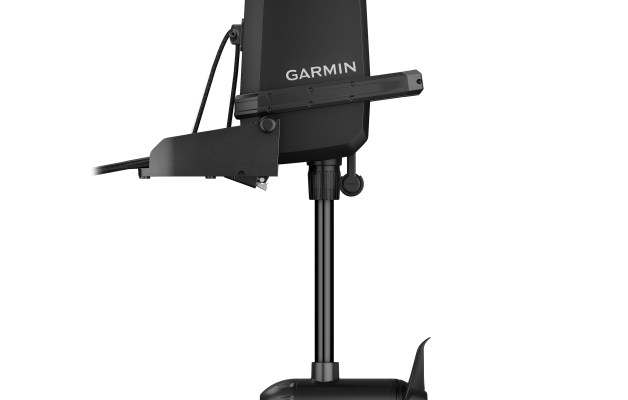
If you’re upgrading to a bigger trolling motor you might need heavier wire and a larger breaker to get maximum power, extend battery life and run the electric safely and efficiently.
Again, you may need to strengthen the bow to handle the weight and torque as a result of these new and powerful electric motors.
One thing many anglers overlook when upgrading from a 24- to a 36-volt trolling motor is space in the rear compartment to accommodate more batteries and extra weight.
If your budget allows, you can switch to lithium batteries that come in smaller and lighter weights.
Many people found using lithium on electronics, and especially forward-facing sonar, can provide a clearer picture, especially late in the day when lead acid batteries experience voltage drops. Lithium stays at full power all day, but then it shuts down abruptly when it is drained.
That’s not saying you have to use lithium with FFS. I was fishing in upstate New York last week with a different boat without a lithium battery and did fine without it. However, I could tell a difference, especially late in the day.
I use one small lithium for FFS on my main boat to keep it isolated from everything else, and it works great.
While lithium certainly offers anglers good benefits, make sure you have the correct charger. If you have a built-in charger on your boat, make sure it can handle lithium; most standard or older chargers do not, and it can cause a fire. If not, you will need a separate charger for running lead acid and one for lithium, or you can buy a special charger designed to handle both.
Upgrading an older bass boat can be overwhelming. An easier solution to protect your investments would be to call upon a local dealer or utilize one of the country’s reputable companies that specialize in boat electronics rigging.
Or, buy a new boat that is battle ready to handle the demands of modern day electronics.