
This is an age-old question that has been debated for as long as I can remember.
Every time I walk through the ICAST Show where new products are introduced, I’m blown away by the plethora of colors being offered by manufacturers.
But does it really matter?
I’m not sure anyone has a correct answer, but like most anglers, I have an opinion. I have fished with people ranging from Bassmaster champions to co-anglers, and they all have their individual opinions.
My theory is that color can matter. However, I like to keep it simple and never carry every color ever created, even though there are times when one color can work better than another.
Here’s my view of different styles of baits:
Topwaters: The general thinking is bass only see the belly of the lure, and that is true, to some degree. But if that lure has action, like a walking bait or any topwater that rolls from side-to-side, the sides become visible.
So, I like three color variations: a dark version, off-white and translucent. When fishing around my home lake — Lake Murray — chrome has become a popular choice.
Crankbait: When throwing my favorite Rapala DT Series, I lean towards either shad (white or chrome baitfish look) or crawfish (orange, brown, green blue or sometimes a little purple) depending on what shade of colors the crawfish are emitting on a given lake. Again, I keep it simple with four to six colors.
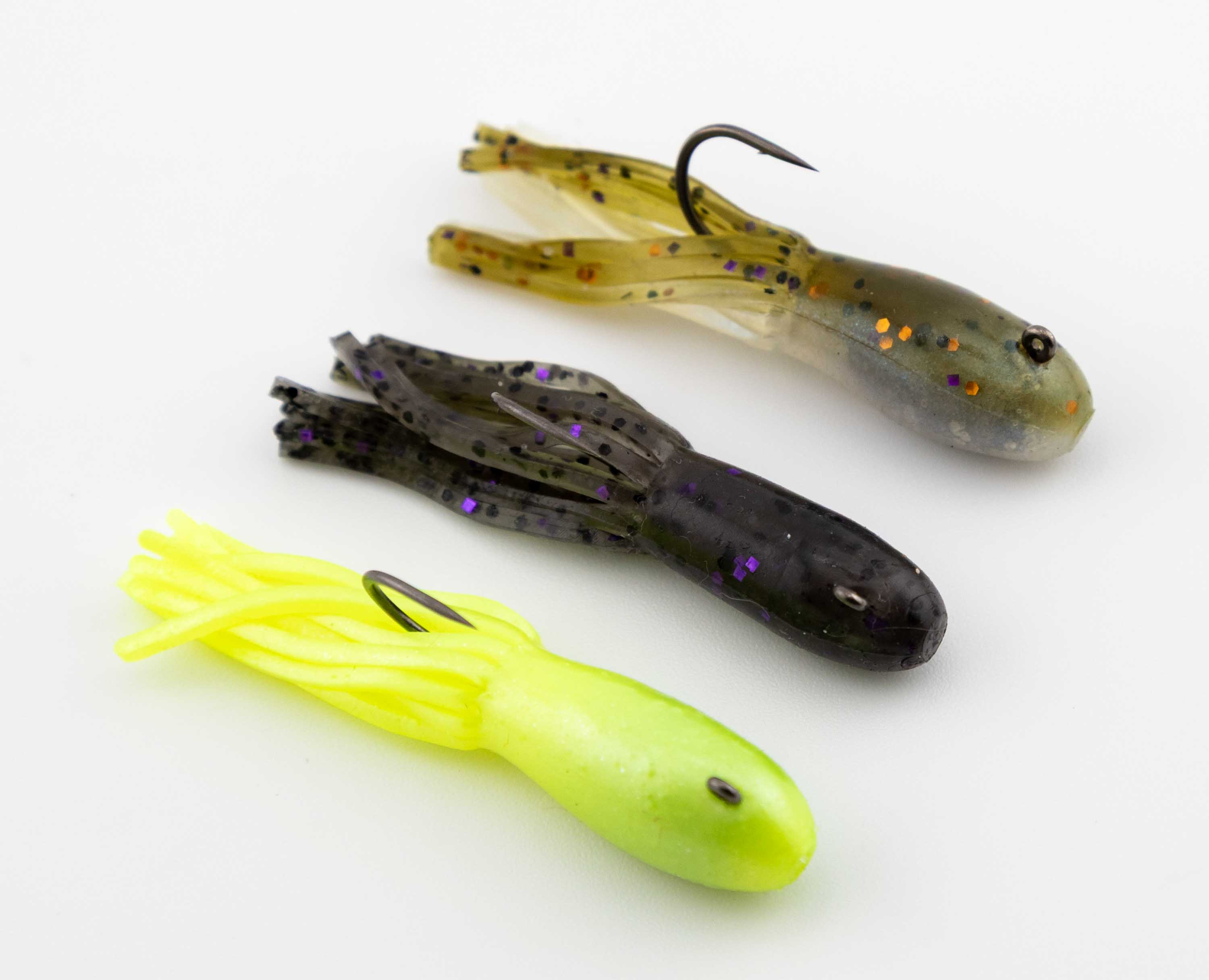
Soft plastics: This is where it can get crazy. When I was fishing the Elites, I packed my truck with what I thought I needed, but if I included every color a lure manufacturer offered, I would need a tractor trailer to haul it.
So, I carried green pumpkin, black/blue, watermelon and colored flake in some of them.
I also carried some chartreuse dye. Oftentimes, I would dip the tail of my soft plastics, and I found that can make a difference.
Of course, if I’m fishing with someone and he’s catching fish on a Senko that I don’t have, you can bet I will be asking to borrow one.
The biggest advice I can offer is, if you have colors you have confidence in, pack ‘em in your tacklebox. But I think keeping it simple by sticking to the basic shades that work throughout the country and that you have confidence in will make you more productive than constantly changing colors.
The fish don’t wake up one day and say, “I think I’m going to bite a worm that is yellow with blue dots.” Choose your confidence color shades, focus more on the presentation and you will get more bites.