[43,785 acres]
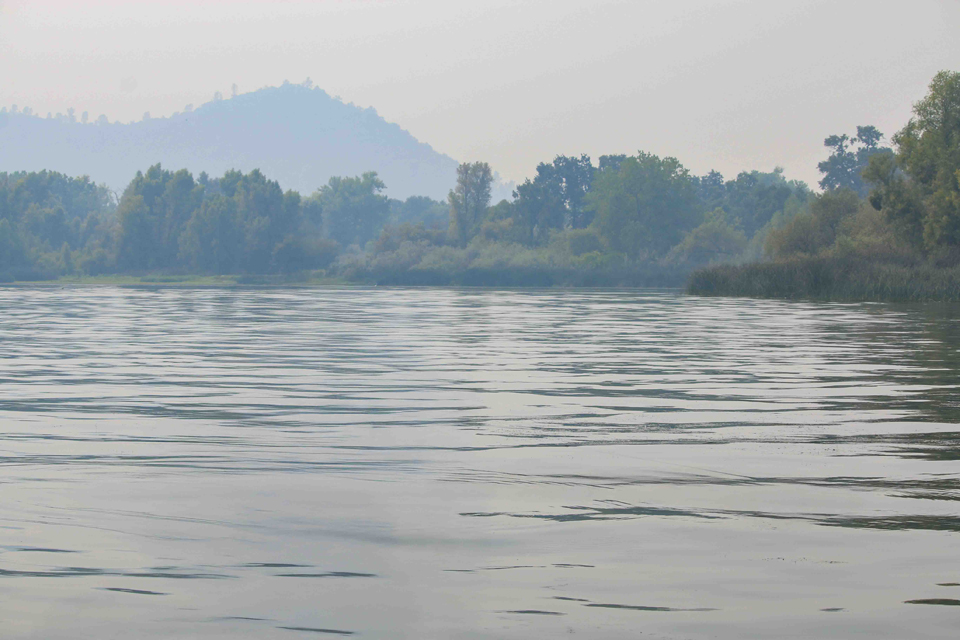
California’s largest natural lake is world-renowned as one of the all-time best big-bass lakes. Consequently, its pea green waters get hammered by anglers throughout the year. As an example, Clear Lake accounted for just over 7.5% of the 261 Western tournaments that we surveyed in our search of the region’s top waters. Despite the pounding that these fish take, this place continues to pump out an incredible number of monster largemouth. California Department of Fish and Wildlife senior environmental scientist supervisor Flower Moye claims that this is the best bass fishery in the state. And the numbers support her statement. A new WON Bass Open three-day tournament record was set here in April when John Pearl landed and weighed 15 bass for 102.81 pounds. Big fish, caught on Day 1 by the fourth-place team, tipped the scales at 12.93 pounds. There were also 35 largemouth weighing greater than 8 pounds brought in. During all surveyed tournaments combined, there were more than 100 bass caught over 7 pounds. Note that there are golden mussel prevention restrictions in effect at Clear Lake that require Lake County and California mussel fee stickers on all trailered boats.
Top 100 Lakes 2025: Top 10 | Central | Northeastern | Southeastern | Western

[1,100 acres]
Western anglers have long known that lakes with substantial trout stocking programs produce better-quality largemouth in comparison to waters without. Add that to southern California’s ideal weather and longer growing season, and you’ll find some of the region’s biggest bass. Getting those monster bass to bite, however, can be difficult. As a result, Casitas has been hit-or-miss in terms of making our 100 Best Bass Lakes list, with this being only its third appearance over the past 10 years. It took fish averaging just over 6 pounds to win here during the first four months of the year, with the largest individual bass at 80% of the tournaments greater than 8 pounds. The biggest of the bunch was a 12.24-pound heavyweight caught by the fourth-place team at an American Bass Anglers team event in January. The largest five-fish limit, caught during a March tournament held by the same organization, tipped the scales at 38.96 pounds; the winner’s big fish went 9.96.
[20,700 acres]
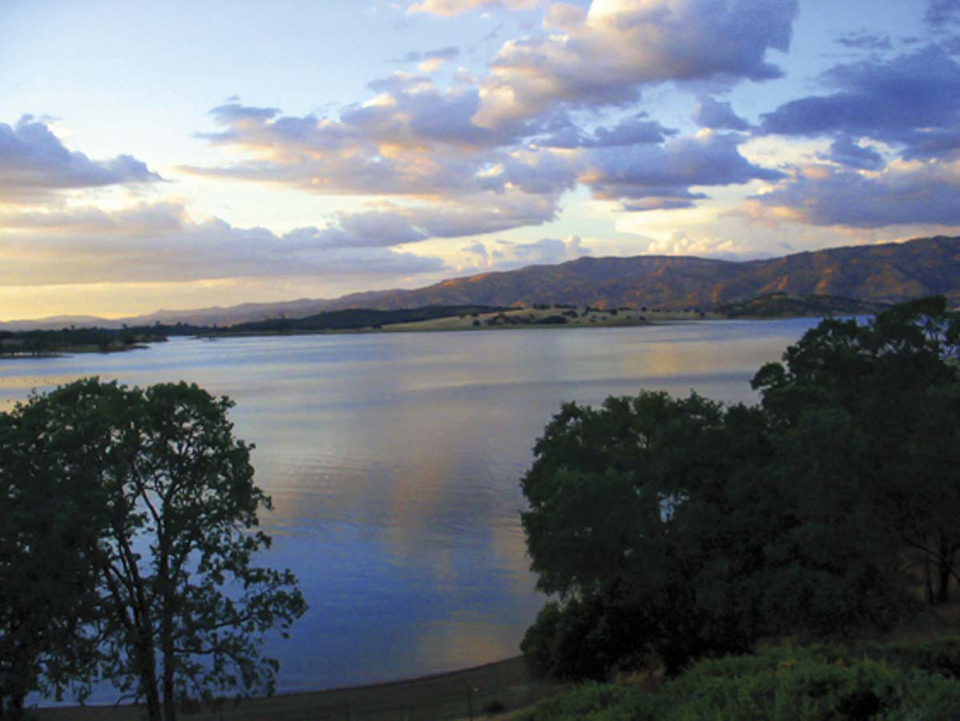
The threat of golden mussel introductions has made getting out on this large Putah Creek watershed lake more difficult, with the requirement of either a 30-day boat, motor and trailer quarantine or hot-water decontamination by authorized personnel. But those willing to go through the process are finding some incredible bass fishing in terms of both numbers and quality. Earlier this year, it took five-bass limits weighing in at over 30 pounds to win most of the tournaments we surveyed. At an early season Best Bass team event in February, the winners hauled in 33.37 to claim victory, including a 9.61-pound trophy. There were two other 9-pounders weighed at the tournament.
[4,500 acres]
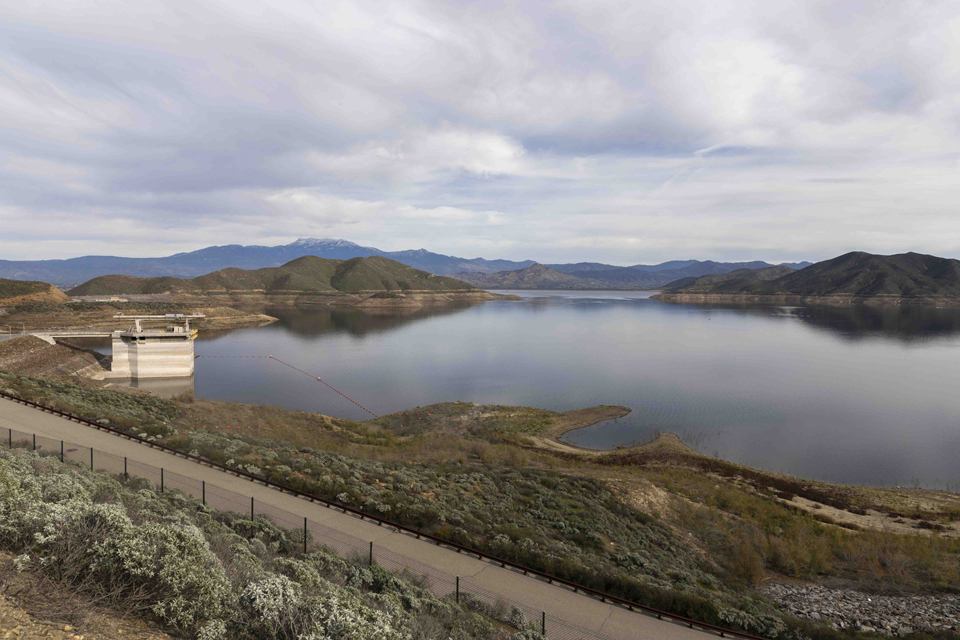
This is one of California’s newest reservoirs, and it’s been managed for trophy largemouth since its creation. Thanks to near-pure Florida-strain bass plants in advance of opening the lake to the public, it typically took a 5-pound average to win here for years. That threshold, however, began dropping about three years ago (the average winning limits sank from 28 to 22 to 19 pounds). Thankfully, although still just below the 5-pound mark, the average jumped back up to 23 pounds this year. It took 28.56 to 33.29 pounds to win four of nine tournaments here. Big fish at American Bass team and National Bass West team pro circuit events in March and April were 11.51 and 11.33 pounds, respectively.
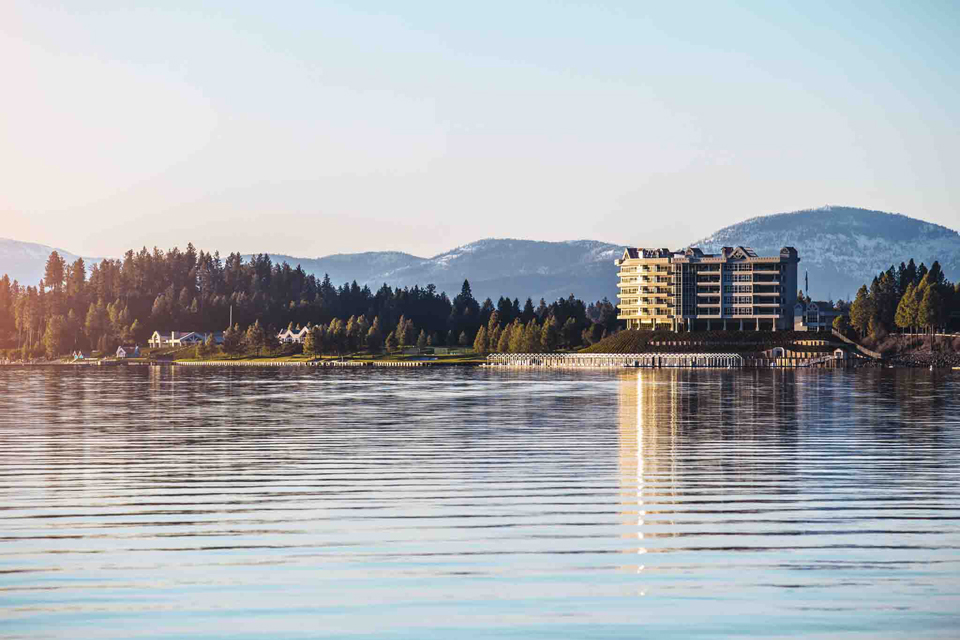
[31,487 acres]
You wouldn’t think that bass get big in a glacial lake like Coeur d’Alene, with its colder-than-average waters during much of the year. But the chilly conditions slow their metabolism and extend their lifespan, providing ample time to grow. Combine that with a variety of habitat and lots of high-protein forage in the form of kokanee and juvenile salmon, and the bass thrive here. Double-digit fish days are common, with tournament anglers often needing more than 25 pounds to claim victory. And you can win by targeting either smallmouth or largemouth. It took 54.04 pounds to win a two-day Panhandle Bass Anglers open event in April. Species-specific big fish were a 7.76 largemouth and 6.63 smallie.
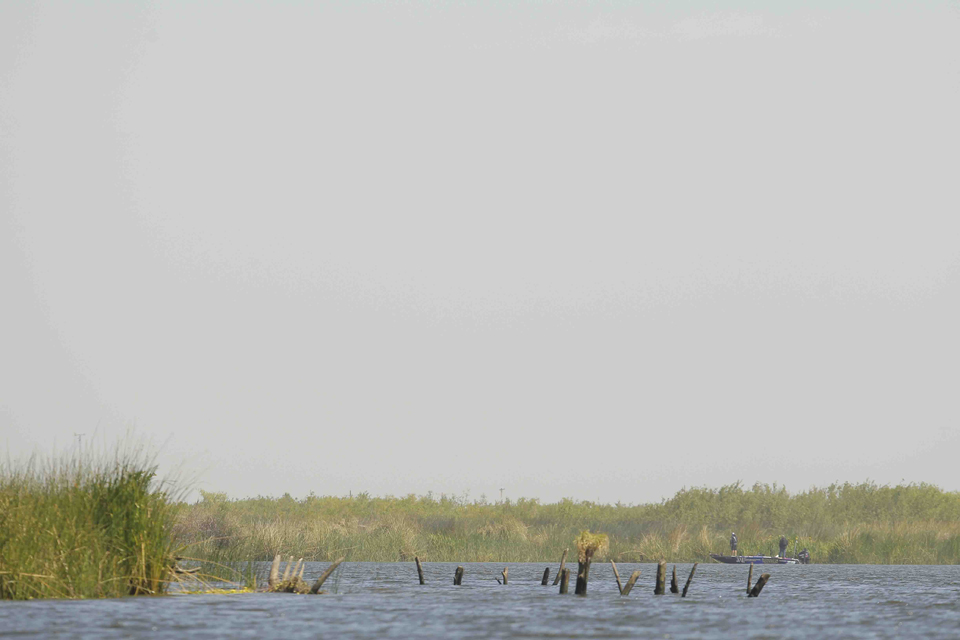
[1,100 square miles]
Consistently one of the best bass fisheries in the country, the Delta has withstood multiple challenges, including competition for water and the impacts of drought, flourishing aquatic vegetation and its control (particularly spraying) and freshwater incursions of California sea lions. This year, another stressor can be added to the list: the discovery of a new invasive species, the golden mussel. Although the system has dropped several spots on our list, it remains a premier largemouth fishery in which anglers need to weigh a solid limit that usually includes a 6-pound-or-bigger kicker to win.
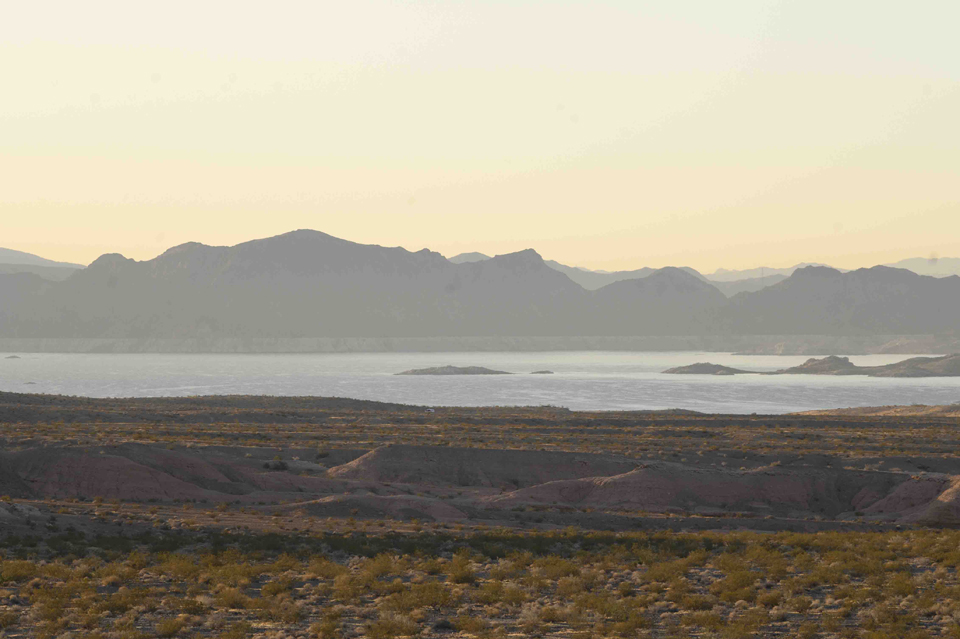
[158,080 acres]
Despite the 25-year mega-drought, Mead’s waters are stabilizing a bit. The low conditions, however, are expected to continue, with access an issue. To keep the lake open, the National Park Service is extending the ramp at Hemenway Harbor. Low lake levels have resulted in murky waters and deeper bass, but the quality of the fishery remains high. Nevada Department of Wildlife fisheries chief Chris Crookshanks says Mead is the state’s second-best bass lake. In March it took 22.81 to win an American Bass team event here.
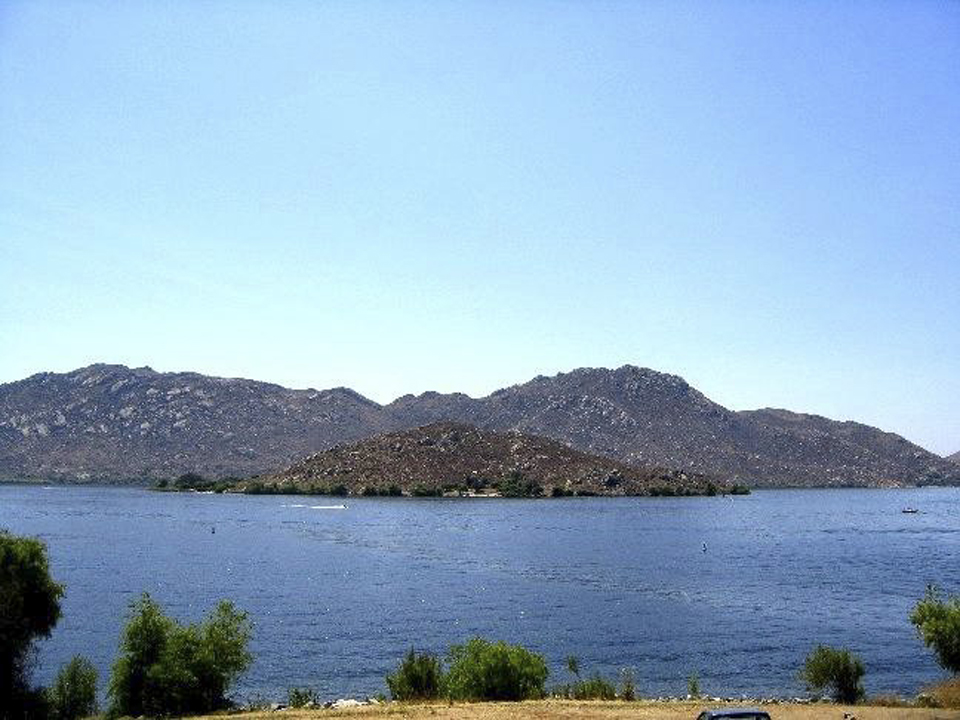
[2,250 acres]
Habitat improvements, including the addition of brush and rock, contributed to the creation of this trophy fishery. But catching the big bass here is tough, and it’s been five years since Perris made our list. While some huge tournament fish helped with the return of the lake this year, it was a personal best for a local guide that secured a top position. Pete Marino, fishing with a buddy in April, landed a 13-pound, 7-ounce behemoth while sight fishing. Big bass for the winners of two American Bass team events in March were 8.98 and 8.82 pounds.
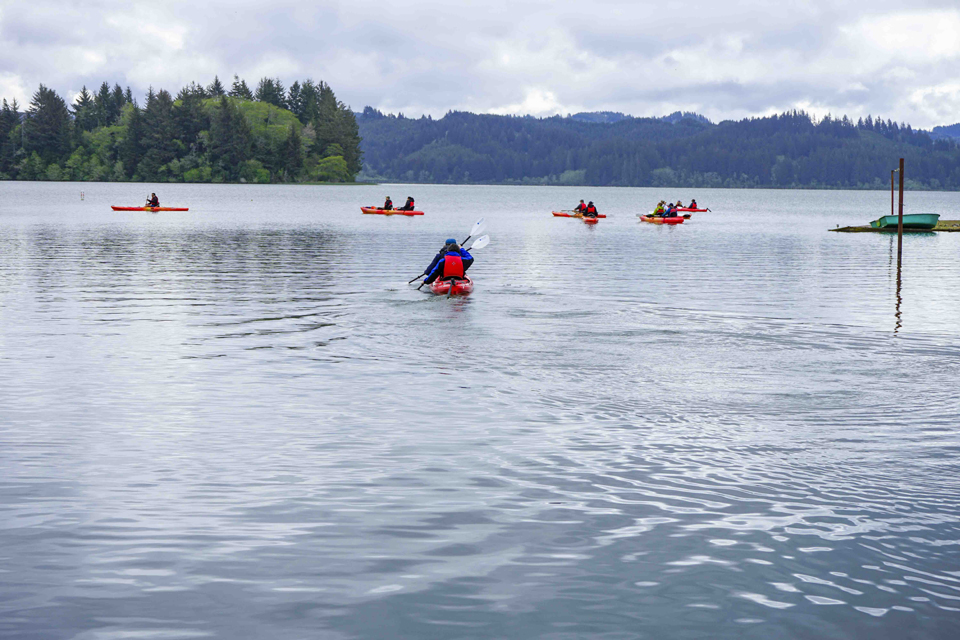
[3,164 acres]
Quality bass are hard to find in Western coastal lakes. The waters are cold, cover is lacking, and the salmonids eat most of the food. Siltcoos, however, is an exception. Only 3 miles from the ocean, with large sand dunes less than a half-mile away, this shallow lake is full of submerged vegetation, fallen trees and dropoffs. Historically, a limit in the high teens won here, with fish over 5 pounds rare. But that changed this year. The top seven teams at a Bass Federation of Oregon contest in March broke the 20-pound mark. Big fish was 8.16 pounds.

[21,934 acres]
This is the most urban Western lake making our list, sitting between the cities of Seattle and Bellevue. The good news is that access here is easy with multiple ramps. The better news is that, despite its proximity to large metropolitan areas, Washington doesn’t feel crowded given its size. And the best news is that the lake offers some of the best smallmouth and largemouth fishing around. Smallies outnumber largemouth here, but there are trophies of each. Big fish at two American Bass 2.0 team events in April weighed 7.9 and 6.5 pounds.
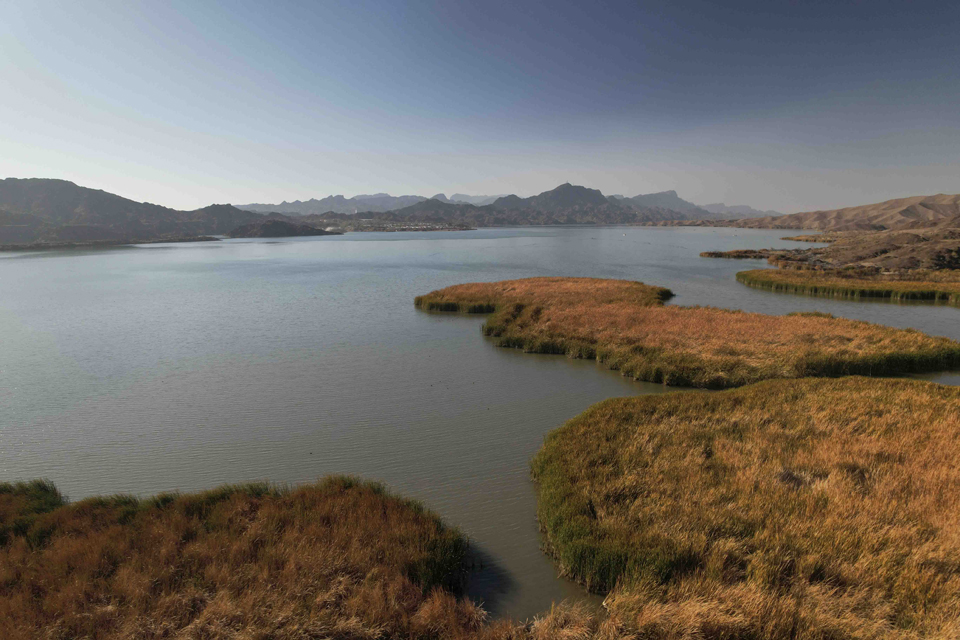
[19,300 acres]
Havasu’s sterile waters were mostly devoid of gamefish when created on the Colorado River in the late 1930s. But habitat enhancements made by Arizona and California fisheries agencies, along with other stakeholders, improved conditions over time. And the bass fishing continues to get better and better. In early 2017, we reported on an Arizona state-record smallmouth of 6.28 pounds. Well, it’s happened again this year. Brad Miller, in January, broke the 17-year-old lake largemouth record with an 11.34-pound monster.
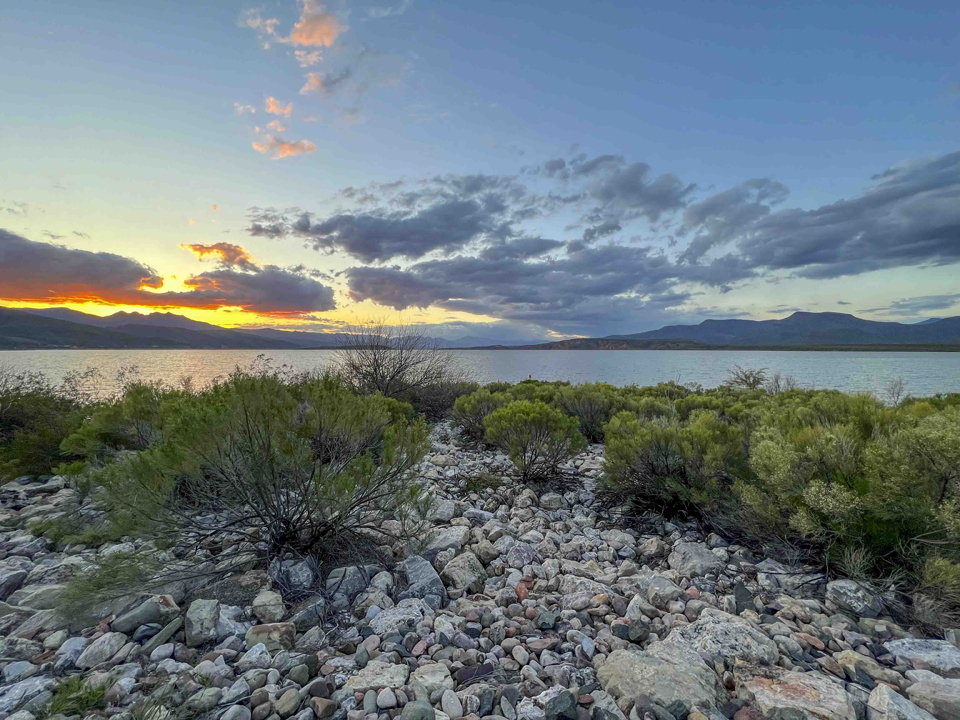
[21,493 acres]
Theodore Roosevelt Lake on the Salt River was known for huge bass and still holds the state largemouth record. But due to habitat degradation and competition with gizzard shad, the trophies started to disappear. A habitat enhancement program, which began here in 2017 with the installation of high-rise structures, is designed to bring the big bass back. And there are signs that it’s working. In February, at an LTF (Let’s Talk Fishin’) Bass & Crappie tournament, the second-place team weighed an enormous 11.99-pound fish.
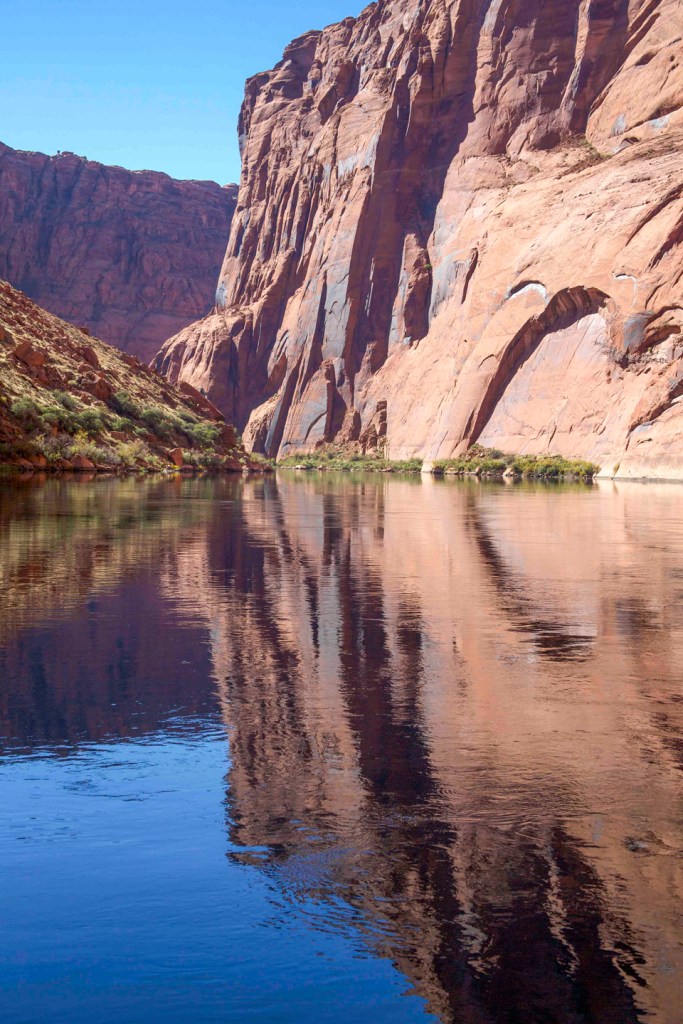
[76 miles from Blythe to Imperial Dam]
The mega-drought that the southwest has been experiencing for over 20 years has severely impacted water supplies, requiring reduced releases from upstream reservoirs. Bass, however, have been able to tolerate the lower flows. And one of the West’s few river-fishing opportunities still pumps out quality largemouth and smallmouth in terms of numbers and size. It took 29.15 pounds to win an American Bass 2.0 team event out of Fisher’s Landing in February. Big bass at that event was 8.9.
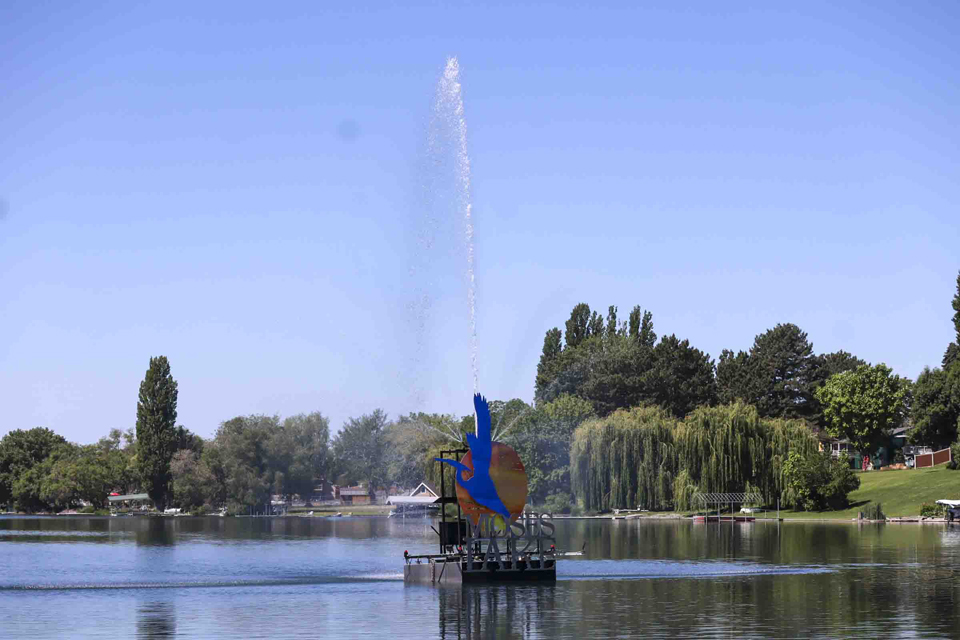
[6,800 acres]
A majority of the anglers fishing Moses are there to target walleye, leaving the less-pressured bass to the rest of us. There are big smallmouth and largemouth in this Pacific Northwest body of water, but finding the green variety can be hard unless you know where to look. Twenty-pound limits are at times needed to win here, with two of the events we surveyed exceeding that mark. The heaviest five-fish limit, weighed at a March Panhandle Bass Anglers contest, was 25.4 pounds. Big smallie and largemouth were 5.72 and 7.3 pounds, respectively.

[108,335 acres]
This scenic lake is known for the number of largemouth and smallmouth you’ll catch, not trophies. And although the ongoing mega-drought isn’t expected to impact the fishing, it could affect launching and navigation. But it’s still worth a trip. Craig Walker, assistant chief of fisheries with the Utah Division of Wildlife Resources, and Utah B.A.S.S. Nation President Rick Culver say that Powell is the top bass fishery in the state. In the eight Ultimate Bass Team Tour tournaments that we surveyed here, 92% of the anglers brought in limits.
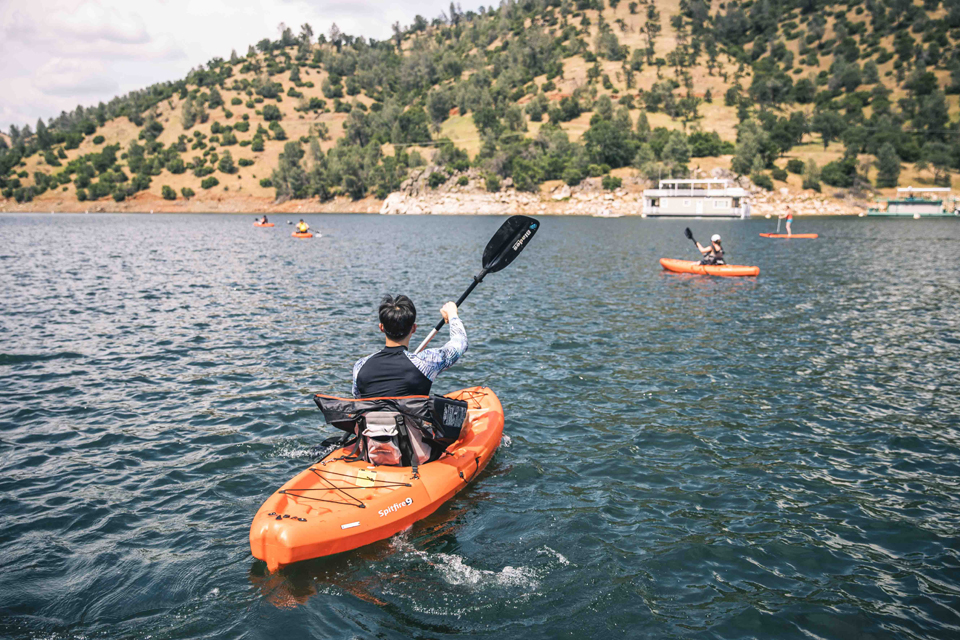
[13,000 acres]
The threat of golden mussel introductions has resulted in limited access to some foothill reservoirs, but at the time of this writing, Don Pedro isn’t one of them. What the restrictions have done, however, is increase the pressure here. Remarkably, the fishing remains extremely good, thanks in part to an explosion in spotted bass. Fifty-fish days were common this past spring, with the occasional giant largemouth showing up. At a March BAM (Bass Angler Magazine) Super 60 event, a 12.92-pound fish took big-bass honors.

[26,500 acres]
Often overlooked by anglers heading to other Colorado River impoundments, Mohave is an ideal destination for anyone who likes to target structure. The cold, nutrient-rich waters here produce lots of smallies and largemouth. And the rocks lining the steep banks in Eldorado Canyon provide plenty of places for them to hide. Despite the fact that fish over 6 pounds are rare, it can take more than 20 pounds to win a tournament. The top team at an American Bass contest in February needed 23.87 pounds to claim victory. Big fish was 7.7 pounds.
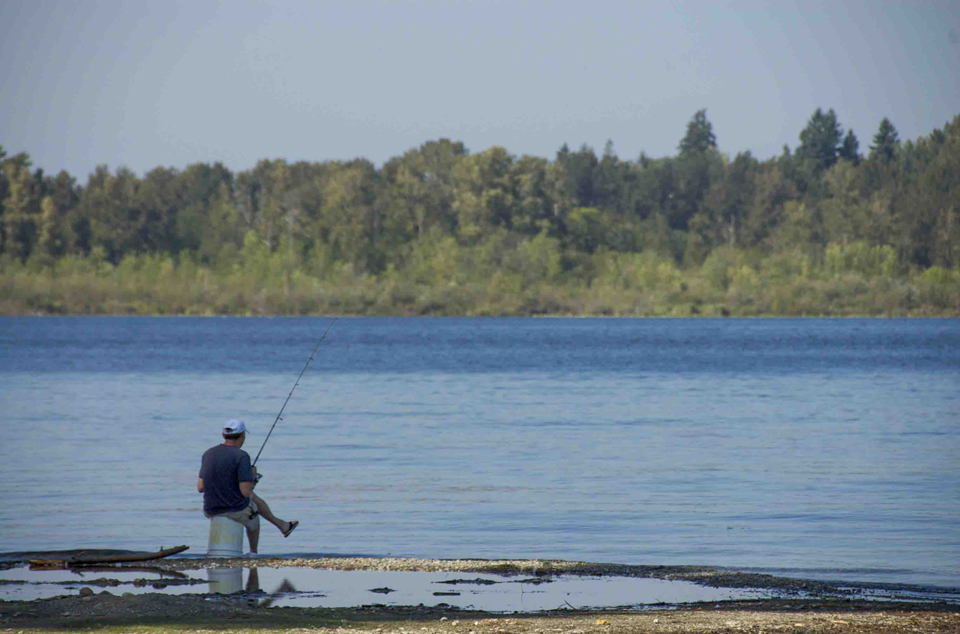
[4,897 acres]
With coastal cutthroat trout the main attraction at this highly developed lake just east of Seattle, you don’t find it overrun with bass anglers. And that’s surprising given the quality of its smallmouth and largemouth fishing. Smallies are dominant here, and this is one of those rare places in which they often outweigh the largemouth. It took 22.14 pounds to win an American Bass tournament in March, while big fish at a Washington Bass Association event the same month were 5.68 and 5.34 smallmouth and a 5.0 largemouth.
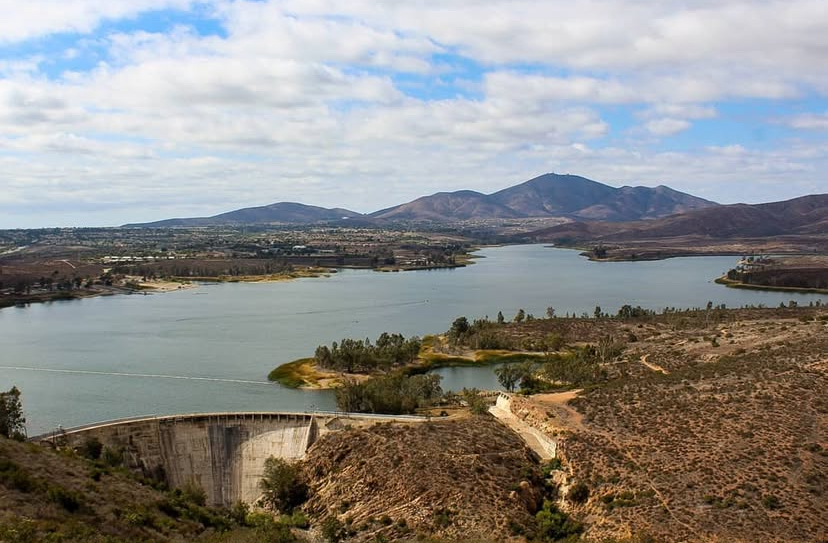
[1,100 acres]
If Lower Otay sounds familiar, it may be because it’s home to one of the U.S. Olympic Training Centers for rowing sports. But it also may be due to the huge largemouth that often come out of yet another famed lake in San Diego County. This is one of the oldest, and although it’s been producing trophies for a long time, it’s unclear when bass were first introduced. The lake record, set in 1981, stands at 18.75 pounds. Big fish, caught by the winners of an American Bass tournament in late March of this year, weighed an impressive 14.27.
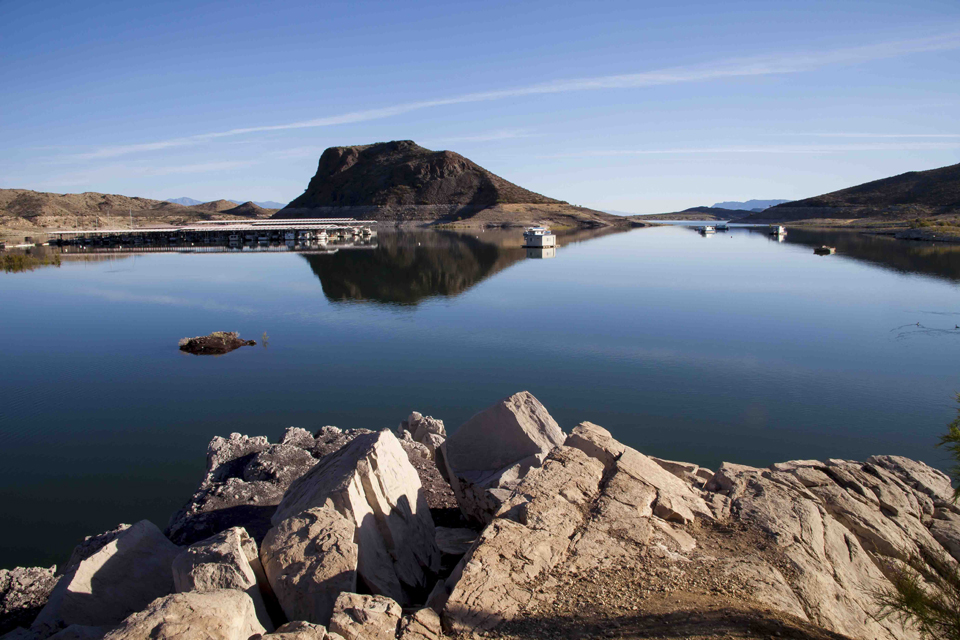
[36,500 acres]
Elephant Butte was on the road to recovery as the long drought, starting in the early 2000s, showed signs of improvement that included the appearance of larger bass. But this year’s snowpack conditions imply a step backward. The SWE (snow water equivalent) within the Rio Grande-Elephant Butte Basin is the lowest on record. New Mexico B.A.S.S. Nation President Brian Stangel, however, still ranks this the top fishery in the state for big fish. The largest fish at a New Mexico B.A.S.S. Nation event in April weighed 8.37 pounds.
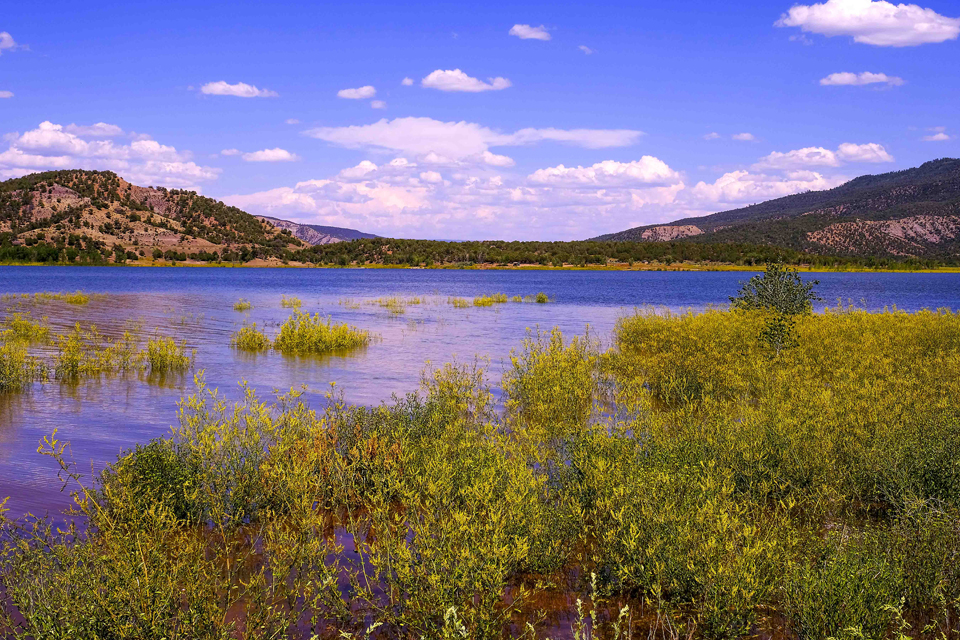
[15,610 acres]
Located on the San Juan River, Navajo is part of the Colorado River Storage Project. The destination is best known for the world-class trout fishing below the dam. But there are quality smallmouth and largemouth in the lake, too. Smallies are more numerous and found along Navajo’s rocky shorelines, with largemouth at times offering opportunities for bigger fish. At an Ultimate Bass tournament held in April, the winning team brought 19.83 pounds to the weigh-in. Big bass, caught by the third-place team, was 6.37.
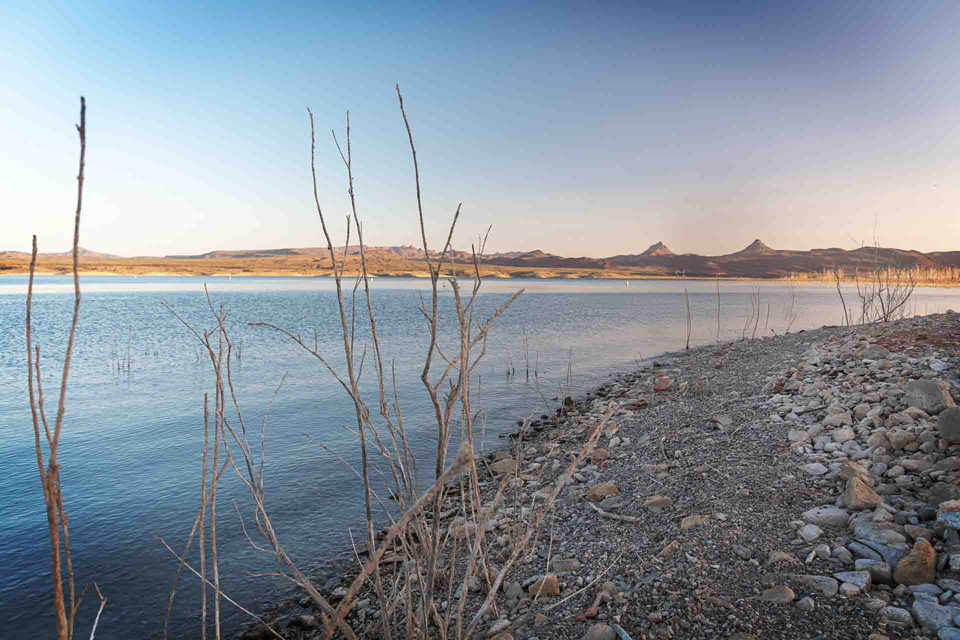
[4,900 acres]
This is yet another southwestern reservoir being impacted by extreme drought. And although lake levels are significantly lower than in the previous two years, the fishing remains good, thanks in part to an Arizona Game & Fish and City of Yuma partnership that relied on volunteers to help with a fish habitat improvement project in January. Alamo’s crystal-clear waters produce quality bass, with the key to success being stable water levels. The average big fish during tournaments in February, March and April was 6.03 pounds.
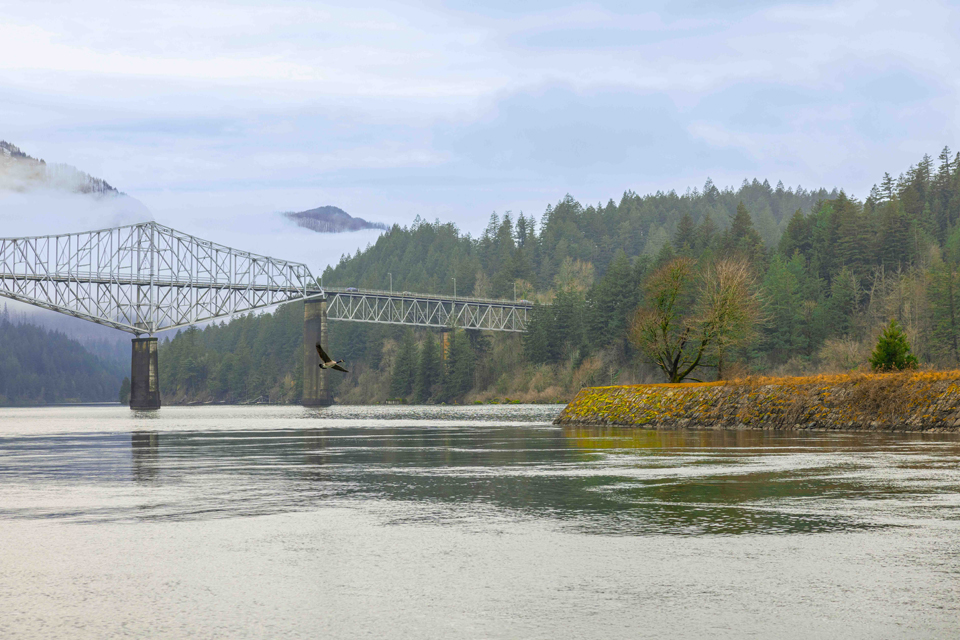
[191 miles from Portland to McNary Dam]
The Pacific Northwest and salmonids go hand in hand, with the cold-water fish playing a huge role in the region’s economy. But bass, especially smallmouth in the 45 miles of river from Portland to Bonneville Dam and 146 miles of pooled reaches upstream to McNary, also contribute. And despite resource agency efforts to reduce bass numbers in support of salmon and steelhead, the populations here remain strong. It took 19.01 pounds to win a Columbia Basin Bass Club event in May.
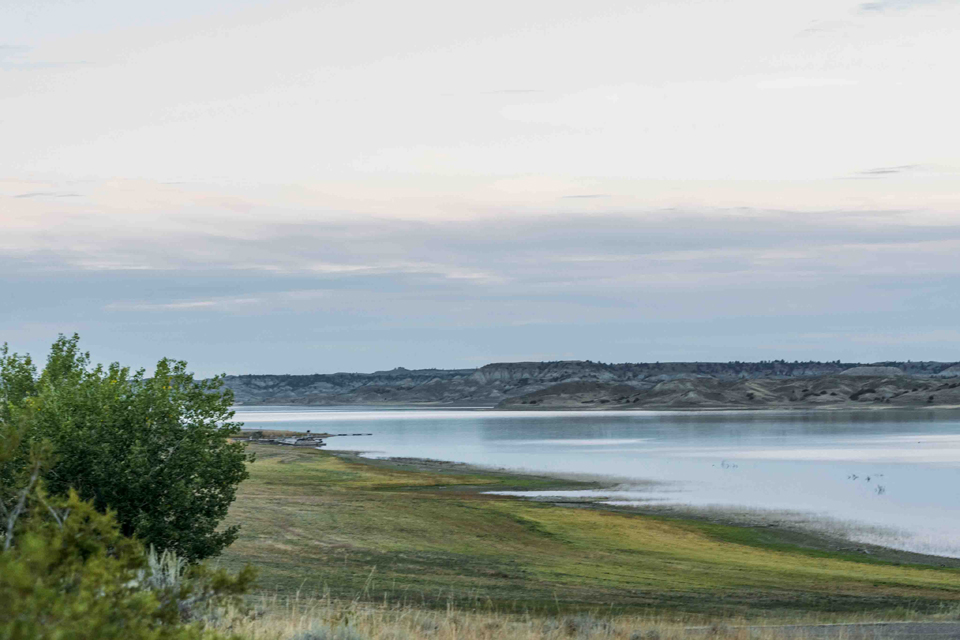
[245,000 acres]
Montana, often referred to as “The Treasure State,” is famous for its blue-ribbon trout streams. What we don’t hear about very frequently, however, are the excellent bass fishing prospects in the eastern part of the state. Fort Peck, Montana’s largest body of water, is a prime example, with above-average smallmouth fishing. Catch rates hover around one bass per hour on an annual basis, with most in the 2- to 3-pound range. But there are bigger fish, too. Joshua Johnson’s 8.4-pound smallie, caught last fall, set the current state record.
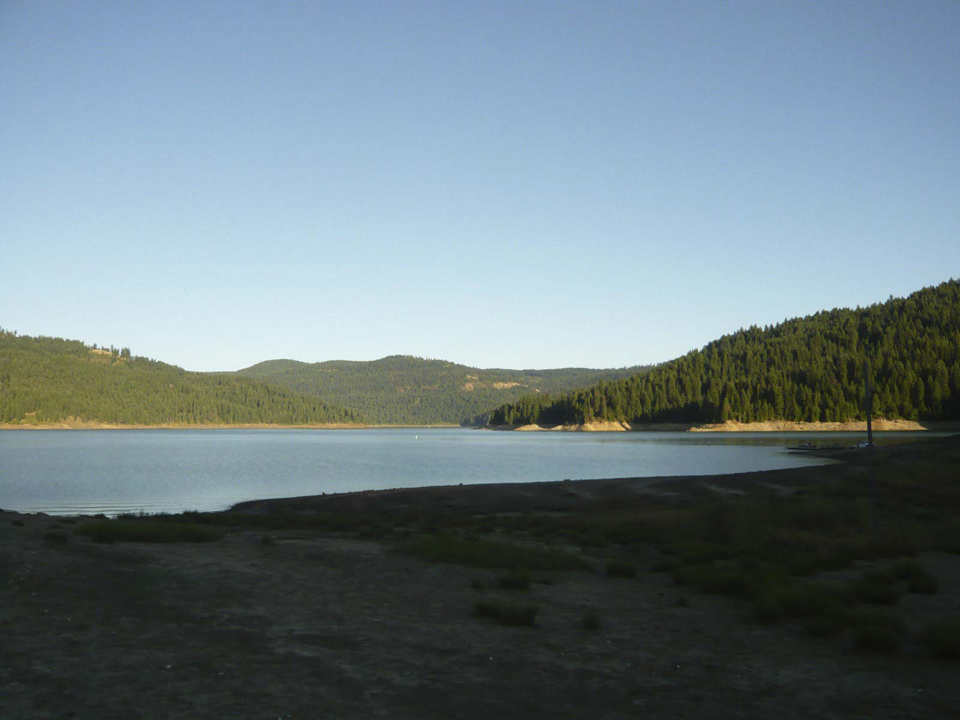
[17,090 acres]
There are smallmouth and largemouth at this North Fork Clearwater River reservoir, although it is best known for its huge bronzebacks. Anglers, however, seem to be catching fewer big fish this year. Following their 2024 surveys, biologists at Idaho Fish and Game think the decline may be due to low numbers of edible-size kokanee and slower bass growth. They also said that conditions should get better this year. A 5.07-pound smallie, caught at an April Clearwater Bass Anglers event, was the largest bass we could find.


